To continue my Shakespeare project, this week I read A Year in the Life of William Shakespeare by James Shapiro. I am delighted by the approach of this book. The author explains how little actual information is available on the person Shakespeare. We have no diaries, personal papers, or memoirs of Shakespeare -- and no such intimate documents for any of his contemporaries. Recording of personal thoughts seems not yet to have happened in that time. Many previous scholars have sought a retrofitted portrait of Shakespeare in his works. The speculative nature and dangers of this approach were already obvious to my Shakespeare teachers years ago.
 The photo above shows the church where Shakespeare is buried, reflected in the Avon river.

There was a lot of this music around in the early '60s, especially at Pacifica radio, where so many of us went instead of graduate school to play with our politics and microphones, such a plenitude we took for granted, so many books so splendid, so savage and so nourishing, that they seemed to fall from some giant banyan--a Tin Drum and a Golden Notebook, a Catch-22 and The Fire Next Time, Flannery O'Connor and Chinua Achebe, Herzog and V--and we'd never again go hungry for meaning.The New York Times was more informative (and conventional):
A daughter of immigrants and a working mother starved for time to write, Ms. Olsen drew from her personal experiences to create a small but influential body of work. Her first published book, “Tell Me a Riddle” (1961), contained a short story, “I Stand Here Ironing,” in which the narrator painfully recounts her difficult relationship with her daughter and the frustrations of motherhood and poverty.See:
 Tillie Olsen, Feminist Writer, Dies at 94 By JULIE BOSMAN -- Published: January 3, 2007
Tillie Lerner was born Jan. 14, 1912, on a tenant farm near Wahoo, Neb., the second of six children of Russian-Jewish immigrants who had fled their homeland after being involved in the failed 1905 revolution. Ms. Olsen was strongly influenced by her parents' radical leanings and by Midwestern farm life. "I learned a lot being around cows," she recalled in 2002. "It seemed to me they were so damned patient."
She dropped out of high school in Omaha after the 11th grade and began her long succession of dead-end jobs. "Public libraries were my sustenance and my college," she wrote.
An activist and a member of the Young Communist League, she went to jail for organizing packinghouse workers in the Midwest. She began "Yonnondio" while recovering from pleurisy and tuberculosis contracted because of poor ventilation in the tie factory where she worked. -- "Working-Class Fiction Writer Tillie Olsen, 94." By Joe Holley, Washington Post, Thursday, January 4, 2007.

 Then food and conversations. I was terrible: everyone brought wonderful home-made things like chicken salad, noodle dishes, deviled eggs, artichoke dip, spicy shrimp, cookies, scones... But I went to Trader Joe's and got grapes, a cheese log, and crackers. I feel bad. Next year I promise to bake!


 I have a lot more photos -- but I tried to be selective.










 |
 Language Myths edited by Laurie Bauer and Peter Trudgill. This book is a collection of essays by experts on things that many people wrongly or pretty wrongly believe to be true of language. Some of the essays pointed out things I knew; others were quite new to me.
 |
After winning a lawsuit about copyright, Alice Randall's The Wind Done Gone -- same story, slave's point of view, Gone With the Wind -- dropped out of sight like a stone. I've never read either book. But I've read/seen all the others on this list. And I know there are lots more, such as at least two more recent retells borrowing characters from Jane Austen novels. The lawsuit proved that this kind of book isn't a crime. Is it a genre? I don't know.
 | | |
| Arabian Sands: Revised Edition |
 I talked to several of the other hikers, and I learned something really interesting from Katie. We were talking about making blogs, and she explained how one enters Japanese characters into a computer -- or a blog. She says one types the phonetic word into the computer (in the Hiragana alphabet). The computer returns the equivalent character (or a choice of possible equivalent character) in the pictorial system. The typist selects the desired character, thus creating a correct version of his or her text. I find this really fascinating.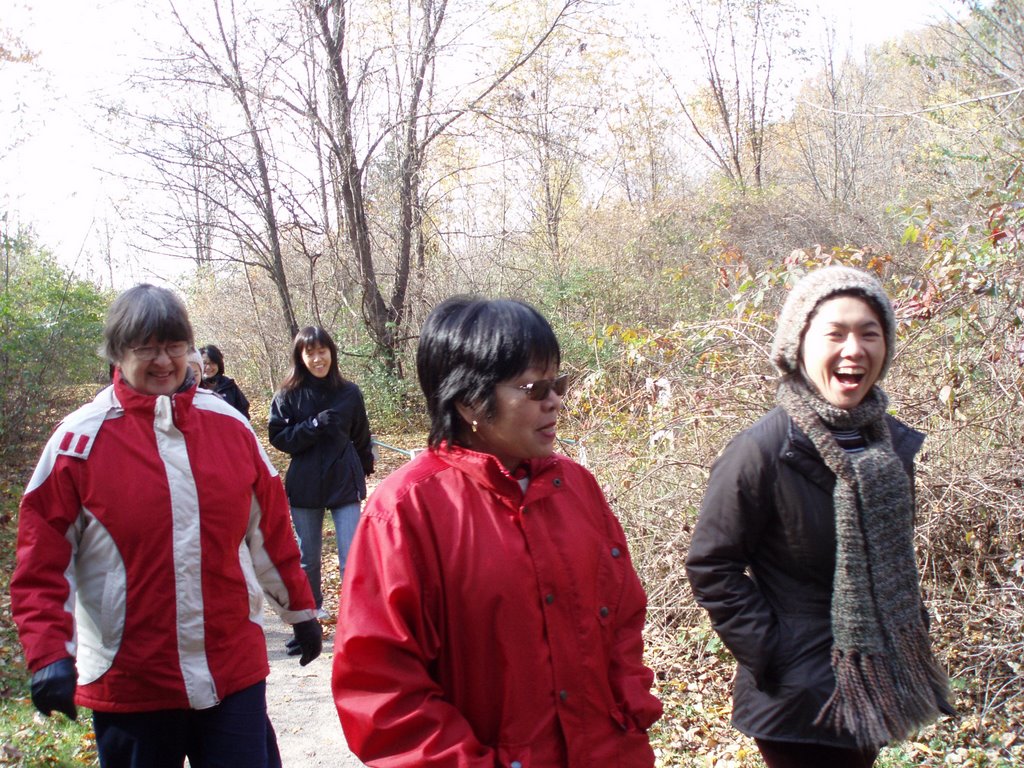



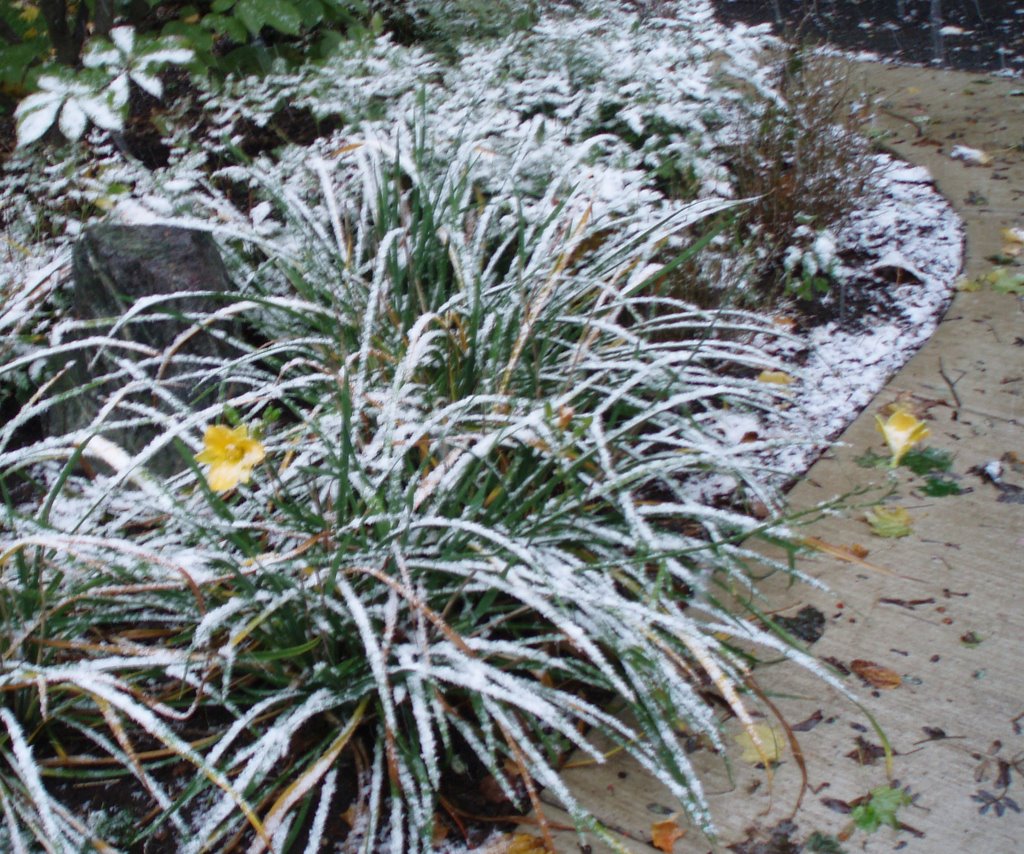

"BUFFALO, N.Y. (AP) -- A rare early October snowstorm left parts of western New York blanketed with 2 feet of snow Friday morning, prompting widespread blackouts, closing schools and halting traffic."